Posts

Showing posts with the label IndustrialApplications

How Valve Design Optimizes Fluid Flow and Pressure Control

Image
Imagine a large industrial facility that works for chemical plants or refineries and a part of which includes the control and management of fluids which could be either liquids or gases. They may or may not carry the raw materials, fuel, and even chemical wastes. It is very important that the fluids are flowing freely and are adjusted to the exact required pressure level as this will contribute to the effectiveness, safety of the operation. Valves are mechanical units in the systems that are used to regulate the movement of fluids through them. They have the ability to start, stop, or control the amount of the fluid passing through them, also the pressure or the direction of the flow. Imagine them as the gatekeepers or traffic lights within a series of pipes, they can determine the path fluids follow to different destinations or the pace at which they flow. And now, let's cover the science of valve design. Valve Suppliers and Manufacturers place a high priority on research and dev...

Breaking Down the Quality Assurance Process in Valve Manufacturing

Image
In the world of valve operations, ensuring the quality of the valves used is paramount. As valve manufacturers and stockists play a pivotal part in furnishing dependable factors, understanding the quality assurance process is essential for both industry professionals and enthusiasts. Let's dive into the complications of how these critical factors go through an attentive journey to guarantee optimal performance.   Understanding Valve Manufacturing Valve manufacturing is a complex process that involves perfection and attention to detail. From raw materials to the final product, every step contributes to the quality of the valve.  Valve Manufacturers strictly craft valves to meet industry norms and exceed user prospects.   Significance of Quality Assurance Imagine a valve system failing during a critical operation. Quality assurance is the safeguard against similar nightmares. Ensuring that each valve meets strict norms guarantees trustability, continuity, ...

Advantages of Globe Valves: Why Are They Preferred in Certain Applications?

Image
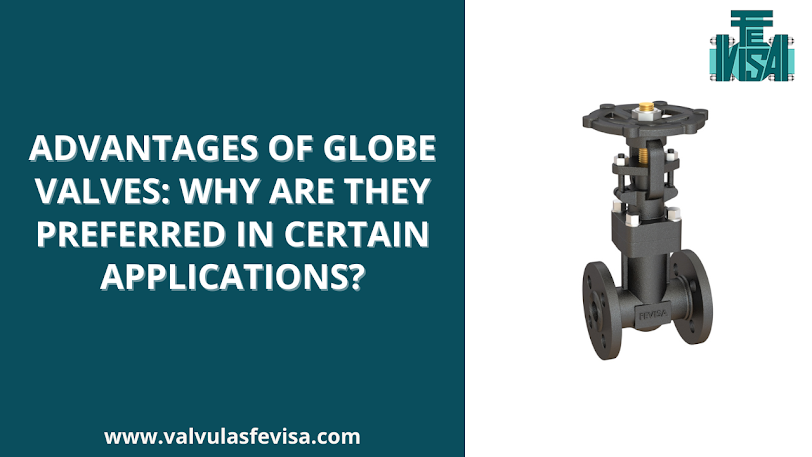
  Globe valves play a crucial role in various industries, offering distinct advantages that make them the preferred choice in specific applications. Globe valve suppliers , including reputable valve manufacturers and Valve stockists in Dubai , recognize these benefits, contributing to the widespread use of globe valves in critical systems.   One primary advantage of globe valves is their excellent throttling capability. These valves provide precise control over the flow rate, making them ideal for applications where flow regulation is crucial. Industries such as petrochemical, power generation, and water treatment often rely on globe valves to manage fluid flow accurately. The design of a globe valve, featuring a movable disk and a stationary ring seat, allows for fine adjustments, ensuring optimal performance in various operational conditions.   Additionally, globe valves are known for their robust construction, enhancing their durability and reliability. Valve...

GATE VALVE TROUBLESHOOTING: COMMON ISSUES AND HOW TO ADDRESS THEM

Image
  Gate valves are essential components in various industries, including plumbing, oil and gas, and manufacturing.   They provide a means to control the flow of fluids in pipelines, making them crucial for the smooth operation of many processes. However, like all mechanical devices, gate valves can encounter issues that may disrupt their functionality. In this article, we will explore some common gate valve problems and discuss how to address them, with a focus on the expertise offered by   Valve Suppliers ,   including Valve Stockist   and Valve Manufacturers in Spain ,   in handling these issues. LEAKING VALVES: Leaking gate valves are a prevalent issue and can lead to significant problems if left unaddressed. The primary cause of leakage is usually a damaged or worn-out valve seat or a damaged gate. To address this issue, Control valves suppliers  recommend inspecting the valve seat and gate for signs of damage or corrosion. If damaged, these compone...

VALVE DESIGN CONSIDERATIONS FOR THE HIGH PRESSURE APPLICATIONS.

Image
  Introduction: In various industries such as oil and gas, power generation, chemical processing, and aerospace, high-pressure applications demand reliable and efficient valve designs.  Valves play a critical role in controlling the flow, pressure, and direction of fluids in these systems. However, working with high-pressure environments introduces unique challenges that necessitate careful consideration during the valve design process. This article explores the key design considerations when developing valves for e.g.  Fire Valves , Europe origin valves  etc., for high-pressure applications, focusing on safety, performance, materials, and sealing mechanisms as per the industrial requirements. Safety as the Foremost Priority:  Designing valves for high-pressure applications requires prioritizing safety to prevent catastrophic failures and ensure personnel and equipment protection. For instance usually the Control valves suppliers   adhere to industry standa...

AN OVERVIEW OF CONTROL VALVE MAINTENANCE.

Image
Control valves play an essential role in process control systems, regulating the flow of fluids and gases to maintain optimal operating conditions. It is essential that control valves require regular maintenance to ensure they operate efficiently and reliably. Let us see an overview of control valve maintenance, including inspection, cleaning, calibration, and repair. Inspection: As opined by leading  Valve Stockist in UAE , regular inspections of control valves are important to identify potential problems before they lead to valve failure. Visual inspections can reveal signs of corrosion, or damage to valve components. These inspections can be performed while the valve is in service or during scheduled shutdowns. During visual inspections, it’s important to check for signs of leakage around the valve body. Leaks can occur due to worn valve seals, which can lead to disruptions. The valve trim, which includes the valve seat, disc, and stem, should also be inspected for wear and dama...